
About FormaPath

Our Purpose

Mission

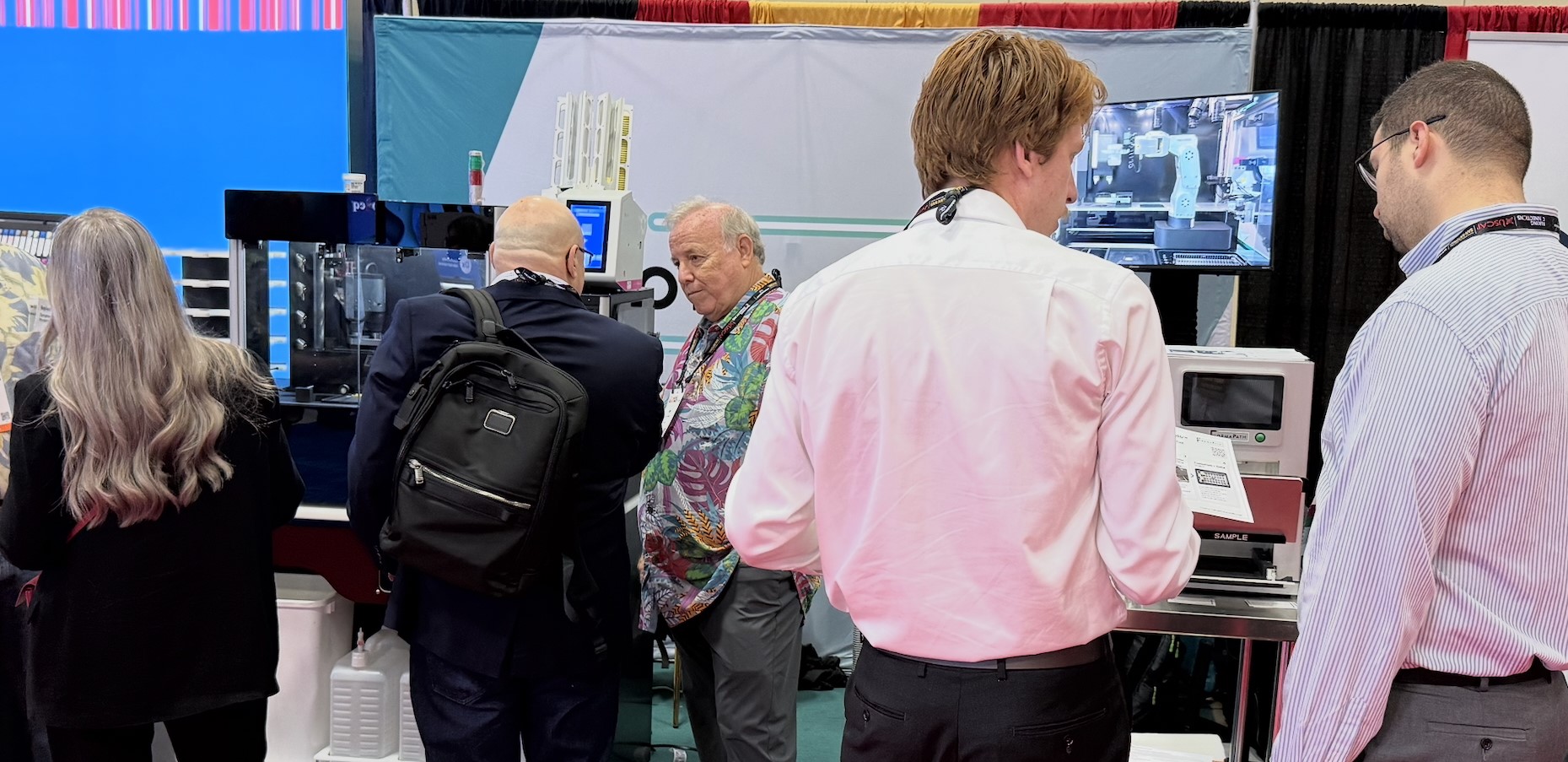
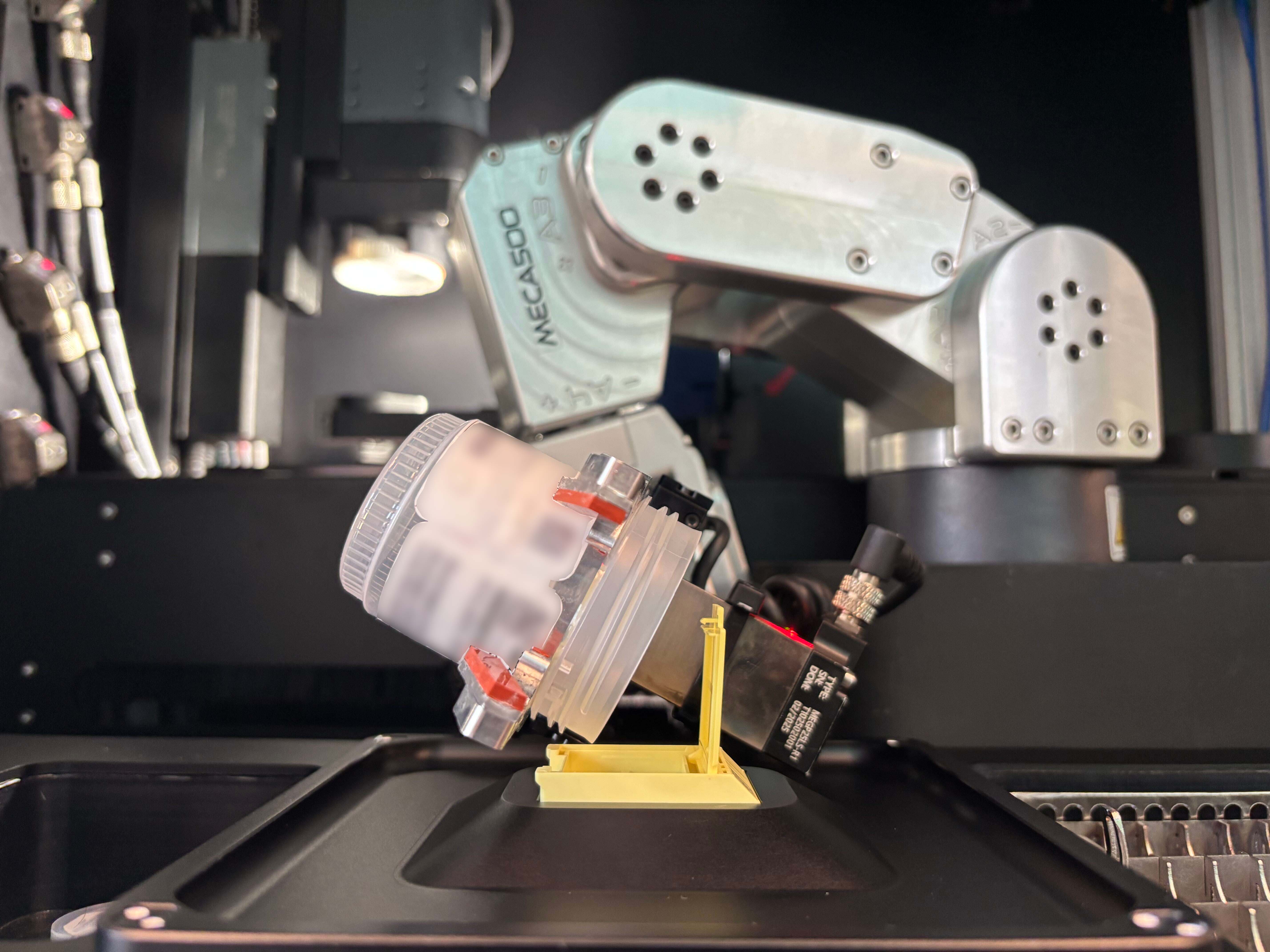
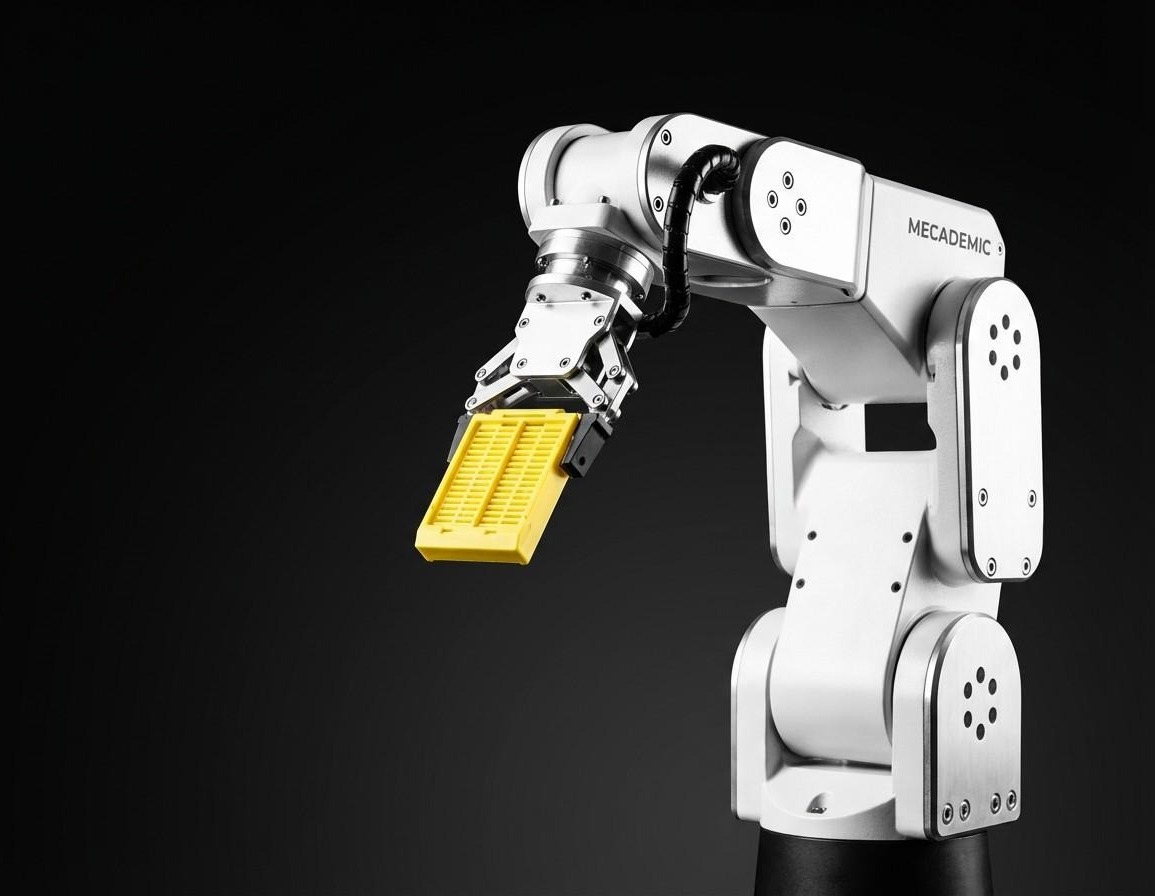
To eliminate the manual bottlenecks of pathology by building the transformational tools of the future. Through our core innovations, nToto for hands-free grossing and AdiPress for automated lymph node recovery, we empower laboratories to improve speed and consistency for every case.

vision

A world where every specimen, in every lab, receives the highest standard of care through the perfect integration of robotics, AI, and human expertise.

LEADERSHIP

The People Behind the Progress

FormaPath is led by a diverse team of engineers, clinical experts, and medical industry veteranssharing a single goal: providing vital answers to clinicians. We don't just build machines; we usher in a new era of pathology where technology and human expertise work in perfect, automated harmony.
Alex Bodell
CTO | Founder
LinkedIn
Ted Snelgrove
CEO
LinkedIn
Gary Grossman
SVP Commercial
LinkedIn
Daniel Snelgrove
Head of R&D & AI
LinkedIn
Michael Dugan
Chief Medical Advisor
LinkedIn

Our Story

FormaPath was born from a simple observation: while most of the medical world was leaping forward with digital transformation, the pathology “back-end," the physical handling of tissue, remained largely analog.

Core Values

The principles that drive every line of code and every piece of hardware we build.

Execute your expertise

We believe the most valuable asset of laboratory professionals is their expertise, not their manual labor. By automating the physical "grunt work," we free experts to focus on the high-level analysis that saves lives.
American-Made Innovation

We are proud to design, manufacture, and assemble the next generation of hardware in the United States. From Ithaca to Brooklyn, our facilities are hubs of local engineering excellence.

The Power of Automation

The gross room should be a sterile, fluid enviroment. Through nToto, we are pioneering the first truly hands-free, AI-integrated workflow in pathology.
Zero-Loss Integrity

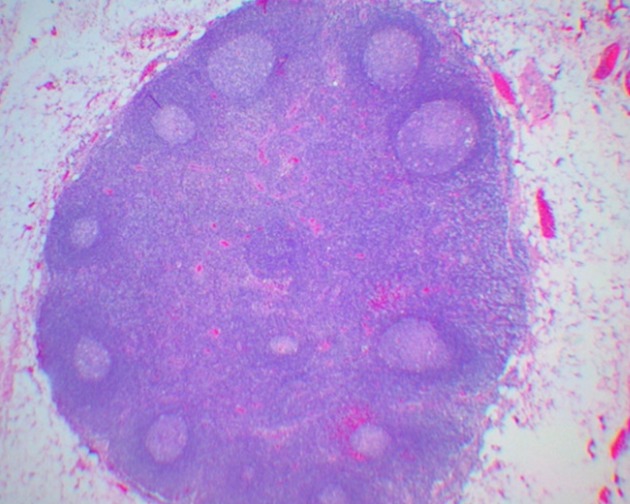
Every lymph node matters. Our AdiPress technology is built on the belief that no diagnostic detail should ever be left behind in a specimen bucket. If it's there, we find it.